The Warm Homes Plan and EPC Reforms – what Landlords need to know
The Warm Homes Plan and EPC Reforms – what Landlords need to know
 Jennifer Jameson
The Warm Homes Plan and subsequent EPC reforms will see the biggest overhaul of energy efficiency measures in the property sector, in years. And for landlords of residential homes; it means more rules, more regulatory changes and in the short term, more investment.
If you’re a landlord or you’re considering investing in a buy-to-let property, read on to find out about the Warm Homes Plan. We highlight the details behind the plan, what landlords need to know and what the EPC reforms entail.
About the Warm Homes Plan
Introduced in 2024 and with more details confirmed by the government earlier this year, the Warm Homes Plan aims to get the country’s older property stock more energy efficient. By doing so, more homes, whether they’re owned, privately rented or rented through a housing scheme, will be warmer and healthier to live in. Plus, by improving the energy efficiency of these homes, bills can be reduced which will go some way to reduce fuel poverty. The government will also be able to better meet their ‘net zero’ aims.
The Warm Homes Plan for Landlords
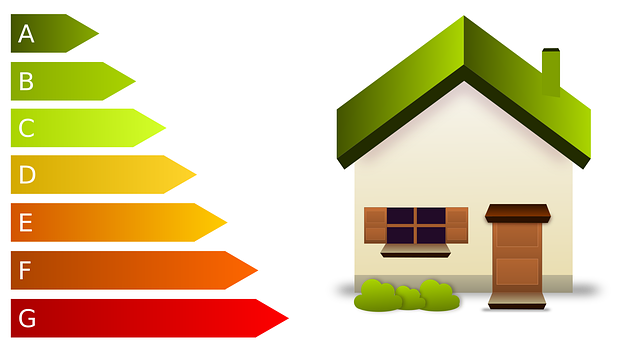
For landlords, the Warm Homes Plan rests heavily on EPCs (Energy Performance Certificates). Currently, rental properties must have an EPC rating of E or above. However, from 1 October 2030, the minimum EPC for properties in the private rental sector will rice to C or above. And this will apply to both new and existing tenancies. It will not be possible to let a residential property if it has an EPC rating of D, E or F from this date, unless you have a registered valid exemption.
What will exemptions look like?
There will be some refinement to the exemptions framework. However, to give you an overview, the following will qualify as evidence for registering an exemption.
Quotes from installation companies or contractor invoices (relating to cost-cap exemptions, which we explain more about below).
Refusal correspondence (third-party consent issues).
RICS surveyor report (relating to property devaluation).
Accredited expert opinion (specifically for wall insulation advice and/or any negative impacts on the property itself).
A cost-cap exemption will be in place
If you spend £10,000 on recommended improvements but your property still doesn’t meet the required standards, you will be protected by a cost-cap exemption. The cost-cap doesn’t excuse you from making improvements. It is there to ensure landlords aren’t pushed into spending unlimited amounts on property improvements. The improvements you make ought to be relevant to insulation, low-carbon heating, and smart controls. And any relevant work you’ve had done since October 2025 will be eligible.
Beware of the change in calculating EPCs
Landlords need to be aware that the means for calculating EPCs is also set to change. So, you may have a property currently with a C rating, and you’re thinking; ‘I’m fine’. But your property might not remain in a band C rating under the forthcoming EPC reforms.
The new metrics under the EPC reforms
Under the EPC reforms, the four key metrics will be as follows:
Fabric Performance – this refers to how the property retains heat, and will consider insulation, glazing, draught-proofing etc.
Heating systems – how the property is heated, and how efficient the heating system is.
Smart readiness – is the property able to self-generate energy and use electricity smarter. An example of this would be solar PV panels.
Energy cost – this will be an estimate of the property’s overall running costs for energy.
A new dual-metric standard for landlords
Any property in the private rental sector, first and foremost, will need to meet the fabric performance standard. After that, landlords can choose between the heating system or the smart readiness standard. The choice will be at the landlord’s discretion. The aim is to give you the flexibility to choose how you achieve a warmer home and help your tenants save on energy bills. Smart energy solutions might not be viable for all properties. Likewise, a full heating system change might not be the right solution for some.
I’m a landlord – what should I do now?
Don’t rush into doing anything too major straight away. There will be more regulation and guidance to follow. But you can start to make plans and we recommend the following:
Check your properties
Identify which of your properties are currently below EPC C (or are likely to be under the new metrics), i.e. they are difficult to treat.
Keep records of everything
From this point on, keep all invoices or information relating to any relevant energy performance improvements. You will need them for the compliance framework.
Plan around current works
If you are planning a refurbishment during a tenant changeover, see whether you can include any low-disruption improvements at the same time.
Think in bundles
The way the EPC reforms are heading, there’s no ‘one’ solution. It’s about a mix of fabric improvements, smart technologies or heating changes. So, start thinking how you can incorporate the right methods for your property.
Stay in the know about EPC reform
It’s key to remember that the same physical measure can look different depending on the metric and how it’s scored. It’s about being compatible with the new EPC framework.
If you’re a landlord and unsure how to best prepare for the Warm Homes Plan, give us a call. We can assist you prepare for the 2030 deadline and the shift to the new EPCs.
Contact us today on 0161 941 4445 or visit us at our NEW estate agents showroom at 19 The Downs, Altrincham, WA14 2QD.